
The Future of SEO: What Marketers Must Know Now
Search Engine Optimization (SEO) is no longer limited to achieving high rankings on Google—it now focuses on building visibility across a constantly evolving digital landscape. As technology advances and user behavior shifts, the future of SEO is becoming more intelligent, personalized, and experience-driven. For digital marketers, staying ahead means adapting to these changes and rethinking traditional strategies.
In this blog, we’ll explore the key trends shaping the future of SEO and what marketers must do now to stay competitive SEO trends 2026.
1. AI and Search Are Reshaping Everything
Artificial Intelligence (AI) is transforming how search engines understand and deliver results. Search engines no longer rely solely on keyword matching—they now analyze user intent, context, and behavior to deliver more relevant results.
Modern algorithms analyze:
Search intent (informational, transactional, navigational)
User history and preferences
Content relevance and quality
Here is what marketers must know now: moving beyond keyword stuffing to focus on intent-driven content is critical.. Content should answer real questions, provide value, and match what users are actually looking for.
What to do:future SEO strategies
Focus on topics, not just keywords
Use natural language and conversational tone
Create content that solves problems
AI-generated summaries and search features are also reducing the need for users to click multiple links. This makes it even more important to create content that is clear, structured, and authoritative enough to be featured directly in search results.
2. The Rise of Voice and Conversational Search
With the increasing use of voice assistants and smart devices, search queries are becoming more conversational. People now search using natural, conversational language—the way they speak in everyday life.
For example:
Typed: “best SEO tools”
Voice search example: “What are the best SEO tools for beginners?”
This shift requires marketers to optimize for long-tail keywords and natural phrases.
What to do:
Target question-based keywords
Use FAQ sections in your content
Optimize for featured snippets
Conversational AI platforms are also shaping how users interact with information, making it important for marketers to structure content in a way that is easy to scan, summarize, and deliver through AI-driven interfaces.
3. Search Is Becoming More Visual
Visual search is growing rapidly, with users searching using images instead of text. Platforms like Google Lens are changing how people discover products and information.
Optimizing for visual search is another key area what marketers must know now to stay ahead.
What to do:
Optimize image alt text and file names
Use high-quality visuals
Create video content alongside blog posts
Interactive content such as reels, short videos, and visual guides can significantly improve engagement rates, helping your content perform better in both search engines and social platforms.
4. User Experience (UX) Is a Ranking Factor
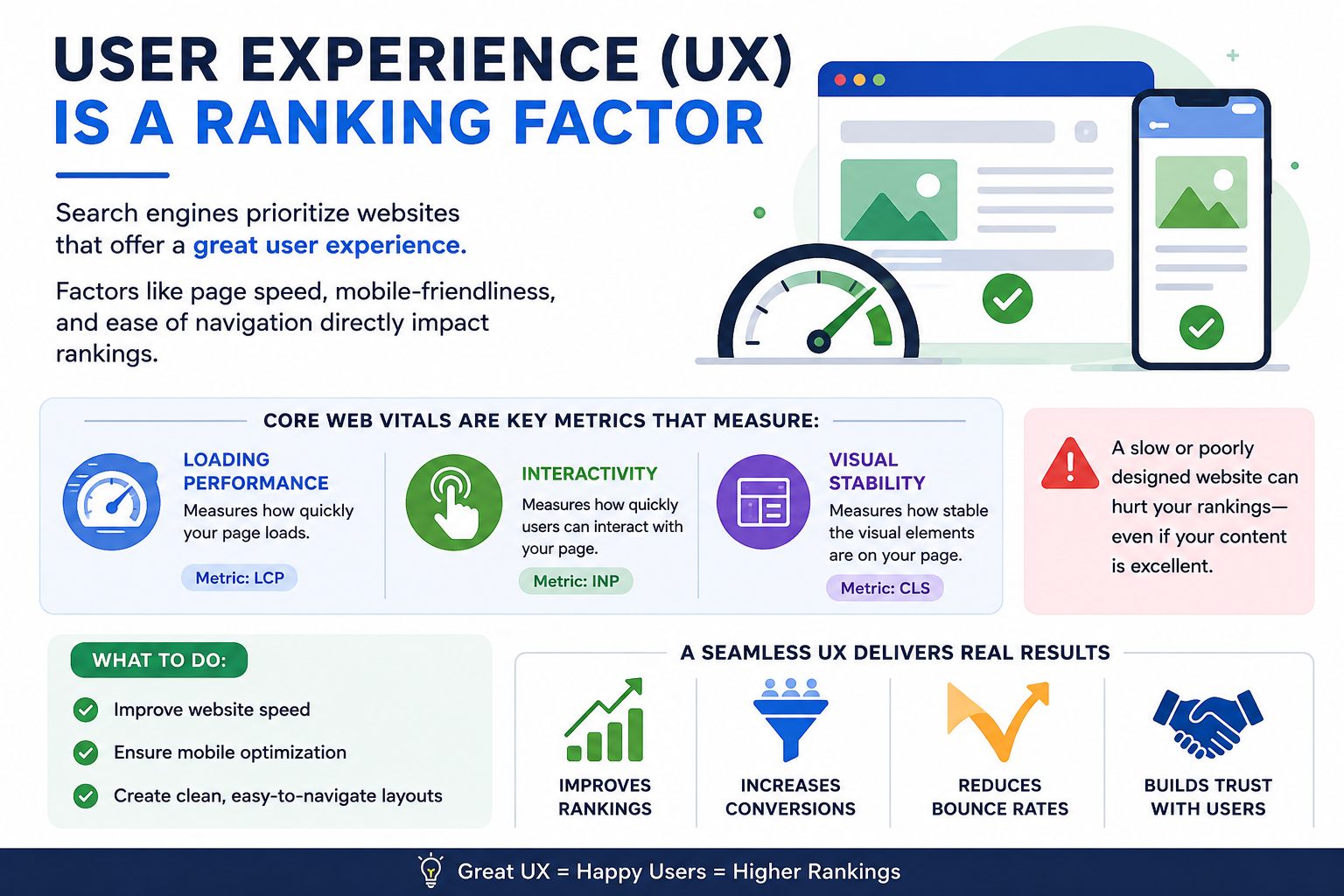
Search engines prioritize websites that offer a great user experience. Factors like page speed, mobile-friendliness, and ease of navigation directly impact rankings.
Core Web Vitals are key metrics that measure:
Loading performance
Interactivity
Visual stability
Understanding core web vitals and UX is exactly what marketers must know now to prevent ranking drops.
What to do:
Improve website speed
Ensure mobile optimization
Create clean, easy-to-navigate layouts
A seamless UX not only improves rankings but also increases conversions, reduces bounce rates, and builds trust with users over time.
5. E-E-A-T: Building Trust and Authority
Experience, Expertise, Authoritativeness, and Trustworthiness (E-E-A-T) are critical for SEO success.Building E-E-A-T and trust is what marketers must know now to protect their rankings.
This is especially important for industries like finance, health, and digital marketing.
What to do:
Showcase your expertise (case studies, results)
Build backlinks from trusted websites
Maintain accurate and updated content
Including testimonials, real-world examples, and transparent information about your brand can further strengthen your authority and improve user confidence.
6. Zero-Click Searches Are Increasing
More users are getting answers directly on the search results page without clicking a website. This is known as zero-click search.
Examples include:
Featured snippets
Knowledge panels
Instant answers
When evaluating zero-click trends, knowing how to capture snippet space is what marketers must know now.
What to do:
Optimize for featured snippets
Use structured data (schema markup)
Provide clear, concise answers
Appearing in these positions helps establish credibility and ensures your brand remains visible even in highly competitive search environments.
7. Content Quality Over Quantity
Focusing on depth over volume is what marketers must know now when planning content. Search engines prioritize high-quality, relevant, and valuable content.
Thin, duplicate, or low-quality content is unlikely to achieve strong search rankings.
What to do:
Focus on in-depth, well-researched articles
Update old content regularly
Avoid keyword stuffing
Long-form content that provides complete solutions tends to perform better, especially when combined with strong internal linking and structured formatting.
8. The Importance of Topical Authority
Instead of ranking individual pages, search engines now evaluate your overall authority on a subject.
If your website consistently publishes high-quality content around a niche, you’re more likely to rank higher.
What to do:
Build content clusters around key topics
Interlink related articles
Create pillar pages
Developing authority in a specific niche not only improves SEO but also helps position you as an expert in your field.
9. (what marketers must know now)Personalization and Local SEO Growth
Search results are becoming more personalized based on location, search history, and preferences. Local SEO is more important than ever, especially for small businesses.
Users expect relevant results tailored to their needs.
What to do:
Optimize for local keywords
Maintain Google Business Profile
Collect and manage reviews
Localized content strategies, including region-specific blogs and targeted keywords, can help capture highly relevant traffic and improve conversions.
10. The Role of Data and Analytics
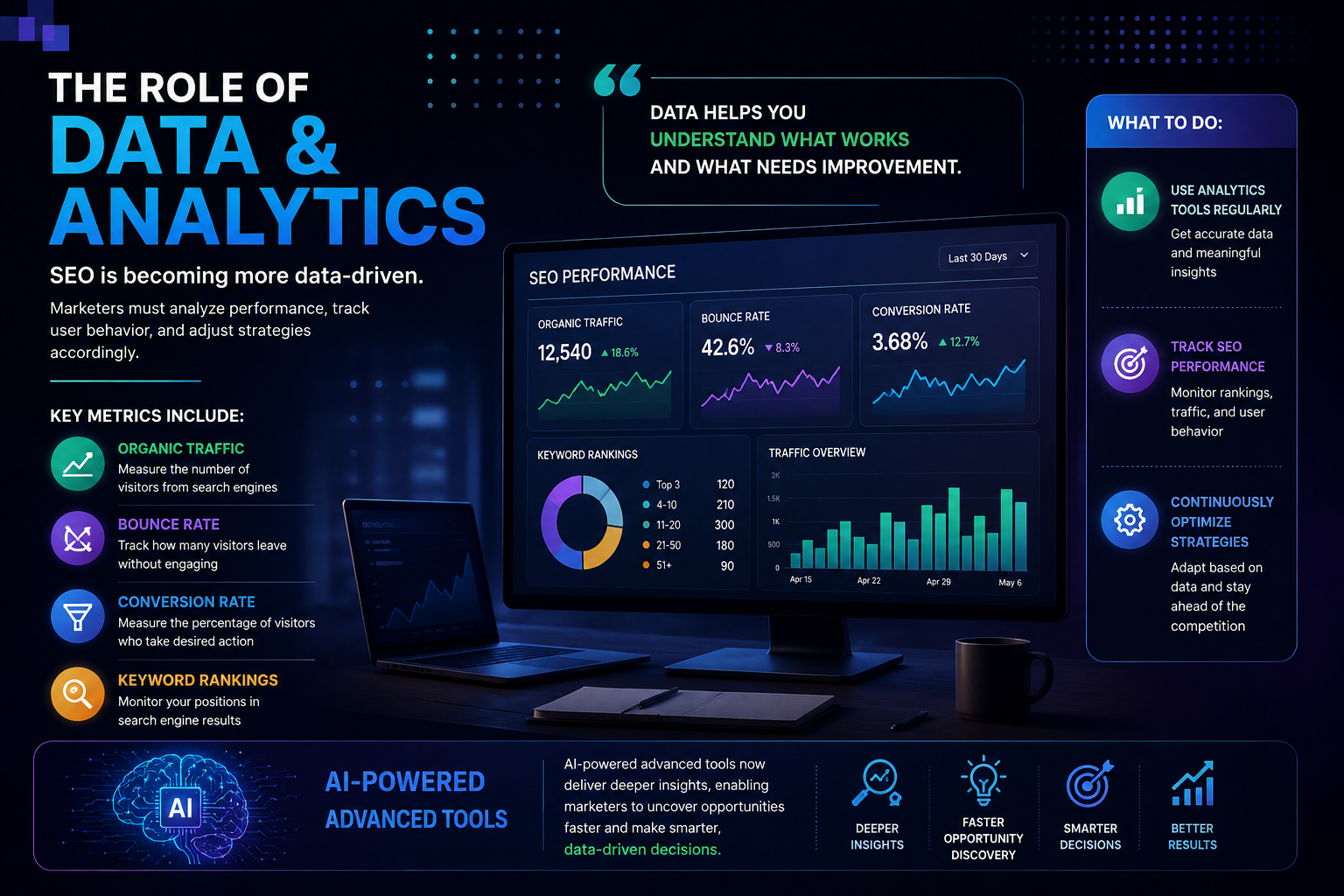
SEO is becoming more data-driven. Marketers must analyze performance, track user behavior, and adjust strategies accordingly.
Key metrics include:
Organic traffic
Bounce rate
Conversion rate
Keyword rankings
Data helps you understand what works and what needs improvement.
What to do:
Use analytics tools regularly
Track SEO performance
Continuously optimize strategies
AI-powered advanced tools now deliver deeper insights, enabling marketers to uncover opportunities faster and make smarter, data-driven decisions.
Final Thoughts
The future of SEO is not about tricking search engines—it’s about understanding users. As technology evolves, SEO is becoming more human-focused, emphasizing quality, relevance, and experience.
To stay ahead, marketers must:
Adaptto AI-driven search
Focus on user intent
Prioritize high-quality content
Optimize for new search formats
SEO is constantly changing, but one thing remains the same: deliveringvalue to your audience will always be the key to success.
Marketers who continuously learn, experiment, and adapt will be the ones who succeed in this evolving landscape. The future belongs to those who combine creativity with data and strategy.
If you embrace these trends and adapt your strategy, you won’t just keep up—you’ll lead the future of digital marketing.
Ready to grow your SEO strategy? Start optimizing smarter, not harder.